How to Spot Gutter Downspout Repair Needs Before Storms
If you live in Logan, you already know that weather can change quickly. Spring rain, heavy mountain snowmelt, summer thunderstorms, and freeze-thaw cycles in the colder months all put stress on your home's drainage system. The downspouts are the part of the system that carries water from the gutters to the ground, and they often get overlooked until something goes wrong. A careful inspection before storm season can reveal small problems early, when gutter downspout repair is simple and affordable, rather than after water has damaged your siding, landscaping, or foundation.
This guide explains what to look for, how https://landenhvqn293.lowescouponn.com/the-future-of-residential-electrical-energy-conversion to check your downspouts safely, and when it makes sense to call a professional. Think of it as a practical checklist for home exterior protection that you can use each year.
Why Downspouts Matter for Your Home
Gutters collect water from your roof, but downspouts are what move it away from the house. When a downspout is clogged, loose, cracked, or poorly positioned, water has nowhere useful to go. It spills over the gutter edge, runs down the walls, and pools next to the foundation. Effective exterior water management depends on every piece of the system working together.
Poor drainage can lead to several costly problems:
- Soil erosion and washed-out flower beds along the home's perimeter
- Water intrusion in basements and crawl spaces
- Rotting fascia boards and soffits
- Stained, peeling paint and damaged siding
- Ice buildup near entryways during cold snaps
- Foundation settling or cracking over time
Good building envelope protection starts with directing water away from your home quickly and consistently. Downspouts are a central part of that effort.
Start with a Visual Inspection from the Ground
You can learn a lot about your downspouts without climbing a ladder. Walk the full perimeter of your home on a dry day and look closely at each downspout from top to bottom. Doing this in early spring and again in early fall is a good habit for ongoing gutter maintenance.
Look for Visible Damage
Check for dents, cracks, splits at the seams, and sections that have pulled apart. Aluminum downspouts can dent from ladders, hail, or falling branches. Dents restrict flow and can create spots where debris collects. Splits along the seams often leak, sending water down the wall rather than through the pipe. If you notice damage, aluminum gutter repair or section replacement is usually the best option.
Check for Rust and Corrosion
Steel downspouts and older galvanized components can rust, especially at joints and bottom elbows where water sits. Small rust spots may be treated, but flaking, bubbling, or holes mean the metal is failing. Copper systems develop a natural patina that is harmless, but green or white crusty buildup around joints can signal a leak or a failing connection.

Examine Fasteners and Brackets
Downspouts should sit snugly against the wall, held by brackets spaced along their length. Look for gaps between the pipe and the siding, tilted sections, or brackets that have pulled out. A loose downspout can shift in high wind, separate at the joints, or tear away under the weight of water and ice.
Signs of Trouble Around the Downspout
Sometimes the clues are not on the downspout itself but in the area around it. Pay attention to the walls, the ground, and the surfaces below.
Staining and Streaks on Siding
Dark vertical streaks, mildew, or discolored patches on the wall next to a downspout often mean water is leaking from a joint or overflowing from above. If you see algae or grime buildup along the wall, an exterior home washing service can clean the surface, but the underlying leak needs to be fixed first or the staining will return.
Pooling Water and Soil Erosion
Look at where each downspout discharges. If you see a trench, exposed soil, displaced mulch, or standing water near the base, the water is arriving too fast or too close to the house. This is a sign that you may need an extension, a splash block, or a more complete foundation water diversion plan, such as buried drain lines that carry water well away from the structure.
Foundation and Basement Clues
Hairline cracks near the foundation, damp spots in the basement, a musty smell, or efflorescence (a white, powdery residue on concrete) can all indicate that water is collecting near the house. These issues do not always come from downspouts, but poor discharge is a common contributor and one of the easiest causes to correct.
Test Your Downspouts with Water
The most reliable way to find problems is to run water through the system. Use a garden hose to send water into the gutter near each downspout opening, then watch what happens. This simple test is an effective way to find issues before a real storm does.
- Place the hose in the gutter at the highest point near the downspout and turn it on at moderate pressure.
- Watch the gutter for pooling or slow drainage near the outlet, which suggests a partial clog or a sagging section.
- Follow the water down the downspout, looking for drips or sprays at seams, elbows, and connections.
- Check the discharge point to confirm water exits freely and flows away from the foundation.
- If water backs up or comes out weakly, the downspout is likely clogged and needs to be cleared or disassembled.
If a clog does not clear with a gentle flush, avoid forcing it with high-pressure water, which can separate joints. A plumber's snake or professional gutter cleaning service is a safer option.
Common Causes of Downspout Failure in Logan
Debris and Clogs
Leaves, pine needles, shingle grit, and seed pods can wash into downspouts and form dense plugs, especially at the elbows. Homes near mature trees are most at risk. Regular cleaning helps, and gutter guard installation or other advanced gutter protection can reduce how much debris reaches the downspouts in the first place. Keep in mind that no guard is completely maintenance free, so occasional checks are still wise.
Freeze-Thaw Damage
Water trapped inside a downspout can freeze, expand, and split seams or push joints apart. If your downspouts hold standing water because of a clog or a low spot, winter can turn a minor issue into a crack. Clearing blockages before freezing weather is one of the most effective ways to prevent this type of damage.
Heavy Snow and Ice Loads
Snow sliding off the roof can bend or tear away downspouts and brackets. Check for leaning sections or twisted elbows after the winter season, and make sure the system is secured before the next one begins.
Age and Material Wear
Even well-made systems wear out. If your downspouts are decades old, brittle, heavily patched, or repeatedly leaking, gutter replacement may be more cost effective than ongoing repairs. Many homeowners choose this moment to upgrade to a better material or a larger profile that handles heavy rain more effectively.
Roof and Gutter Issues That Affect Downspouts
Downspouts do not work in isolation. Problems higher up often show up as downspout issues. Consider the following:
- Sagging gutters: If gutters do not slope toward the outlet, water stalls and debris settles, overloading the downspout.
- Moss and algae on the roof: Growth can shed into the gutters and clog downspouts. Expert roof cleaning or eco-friendly roof cleaning methods can remove this buildup without harming shingles or surrounding plants.
- Undersized downspouts: Large roof areas may need larger or additional downspouts to handle heavy rain.
- Missing or damaged flashing: Water that gets behind the gutter can rot the fascia and loosen the system's attachment points.
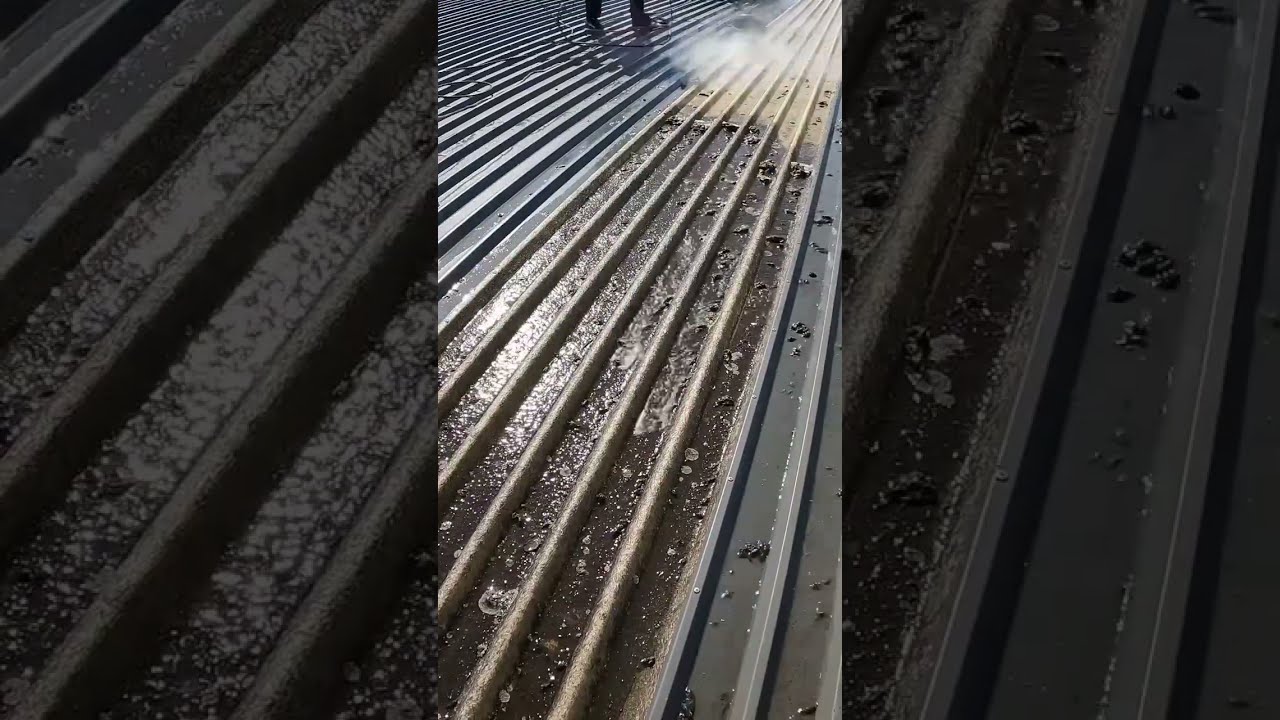
For metal roofing, such as Colorbond-style steel panels, specialized care matters. Colorbond roof cleaning done with appropriate, gentle methods helps protect the finish while keeping debris from washing into the drainage system. Similarly, commercial roof cleaning and commercial gutter services are worth scheduling for larger buildings, where long gutter runs and multiple downspouts can hide problems for a long time.
Material Choices for Repairs and Upgrades
If your inspection reveals widespread wear, it helps to understand your options. Each material has its own strengths.
Aluminum
Lightweight, rust resistant, and available in many colors, aluminum is common for residential systems. It dents more easily than steel but is simple to repair and replace in sections.
Galvanized and Coated Steel
Steel is strong and stands up well to heavy snow and ice, though it needs a good protective coating to resist rust over time.
Copper
Known for longevity and appearance, copper is a premium choice. Copper gutter installation requires skilled soldering and careful detailing, so it is best left to experienced installers.
Custom Fabricated Options
For unusual rooflines or specific architectural needs, custom metal fabrication allows downspouts, collectors, and gutters to be built to exact dimensions. Modern shops use CNC metal cutting and custom metal engineering processes to produce precise, consistent parts, and expert metal manufacturing helps ensure a clean fit and durable seams. For homeowners seeking comprehensive metal services, working with a provider that handles both fabrication and installation can simplify the project.
Connecting Drainage and Solar Roof Considerations
More Logan homeowners are adding rooftop solar as clean energy technology becomes more accessible in 2026. If you have or plan to install grid-tied solar panels, drainage deserves extra attention. Water sheeting off a roof with panels can concentrate in certain areas, and debris collecting around the array can wash into gutters. Panels can also change how snow slides off the roof, sometimes releasing it in larger sheets that stress gutters and downspouts.
Before installation, it is smart to have your gutter and downspout system inspected and repaired. Providers offering comprehensive solar solutions, expert solar panel services, or custom solar solutions can often coordinate with roofing and drainage specialists. The same is true for commercial solar panels on larger buildings, where advanced solar services and advanced solar technology are only as reliable as the roof and drainage beneath them. Keeping the roof clean through exterior roof washing or certified roof cleaning can also help panels perform well, since electrical energy conversion is more efficient when surfaces are free of heavy grime. This fits into a broader approach to energy efficiency solutions and green energy technology that treats the whole property as one connected system. Whether you are exploring alternative energy sources or simply maintaining what you have, comprehensive energy solutions start with a sound, well-drained roof.
When to Repair and When to Replace
Not every issue requires a major project. A general guide can help you decide:
Repair Is Usually Enough When
You have a single loose bracket, a small leak at one seam, a minor dent, or a clog that clears easily. Gutter repair of this kind often involves resealing joints, replacing a short section, adding brackets, or installing an extension to move water farther from the house.
Replacement Makes More Sense When
You see widespread rust or cracking, multiple leaks, repeated detachment, or damage that keeps returning after repairs. In these cases, expert gutter installation using modern materials and correct sizing can solve the problem more permanently. A full gutter system repair or upgrade is also a good opportunity to rethink the layout, add downspouts where water volume is high, and plan comprehensive drainage solutions that include underground lines or grading improvements. A thorough comprehensive gutter solutions approach looks at the entire system rather than only the visible failure.
A Pre-Storm Downspout Checklist
Before the next big storm in Logan, run through these steps:
- Clear leaves and debris from gutters and downspout openings.
- Flush each downspout with a hose and confirm steady flow.
- Tighten loose brackets and reattach any sagging sections.
- Seal visible leaks at seams with a gutter-appropriate sealant.
- Make sure discharge points direct water at least several feet from the foundation.
- Check for ice dams, icicles, or heavy buildup during winter months.
- Trim overhanging branches that drop debris or could fall during high wind.
- Schedule professional help for anything you cannot safely reach or fix.
Safety Tips for DIY Inspections
Many downspout checks can be done from the ground, but gutters and upper sections require care. Use a stable ladder on level ground, have someone spot you, and never work near power lines or in wet, windy, or icy conditions. For two-story homes, steep roofs, or anything involving high-pressure cleaning, hiring a professional is the safer choice. Professionals also have the right tools for exterior moisture control, such as moisture meters and proper sealants, and can identify hidden damage that is easy to miss.
Plan Ahead for the Next Storm
Catching downspout problems early is one of the simplest ways to protect your property. A few minutes of inspection, a quick hose test, and timely repairs can prevent erosion, water intrusion, and expensive structural fixes down the road. Combine regular gutter maintenance with sound gutter protection, and your system will be ready when the next heavy rain or snowmelt arrives. If you find anything beyond a simple fix, a local Logan gutter professional can evaluate your system, recommend the right repair or upgrade, and help keep your home dry through 2026 and into 2027 and beyond.
Logan Roof Cleaning Pros
Unit 8 13/15 Ellerslie Rd, Meadowbrook QLD 4131, Australia
(07) 4803 1388